A to Zanthoxylum
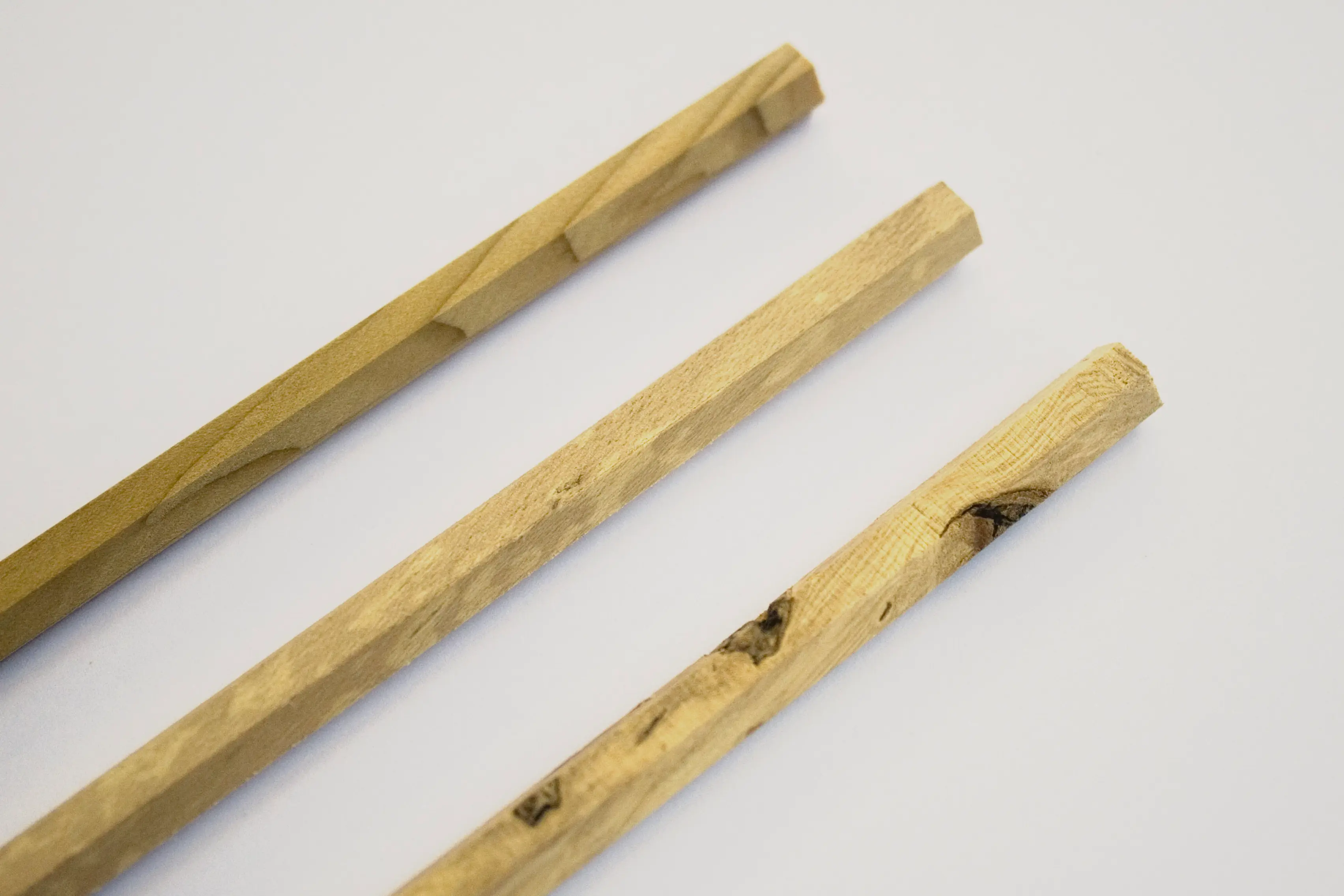
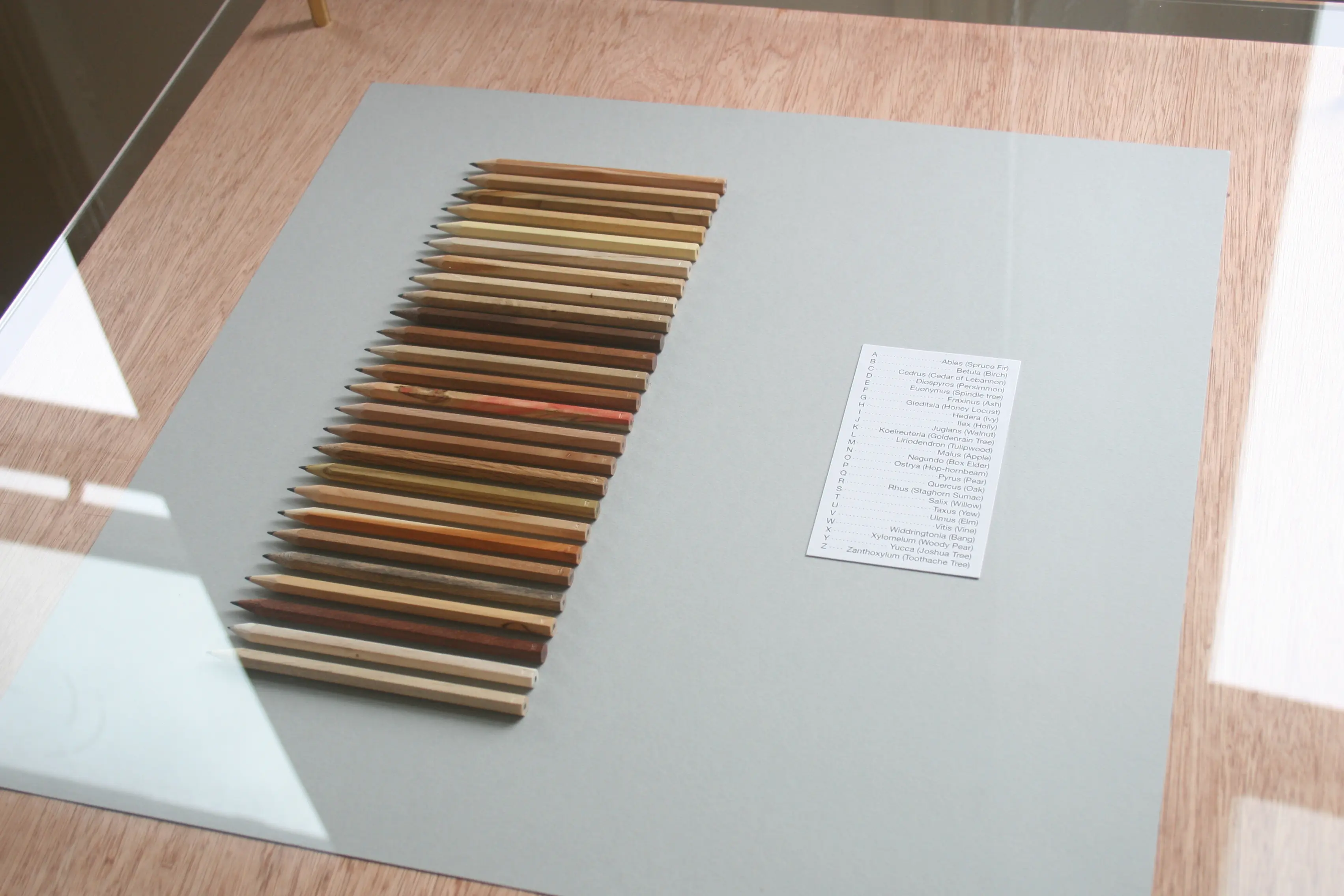
A to Zanthoxylum is a set of pencils made of 26 timber species arranged alphabetically by scientific name.
Timber has been the material of choice for writing and printing words and letters for centuries consolidating the relationship between abstract thoughts and their physical manifestation. The pencils are based on the work of George Loddiges, who, in 1840, planted an alphabetical arboretum along the perimeter of Abney Park Cemetery in Stoke Newington, a last place of rest for non-conformists and dissenters. Through replanting, propagation, diseases and other disturbances, the arboretum has now turned into scattered letters and accidental words, resembling chance poems.
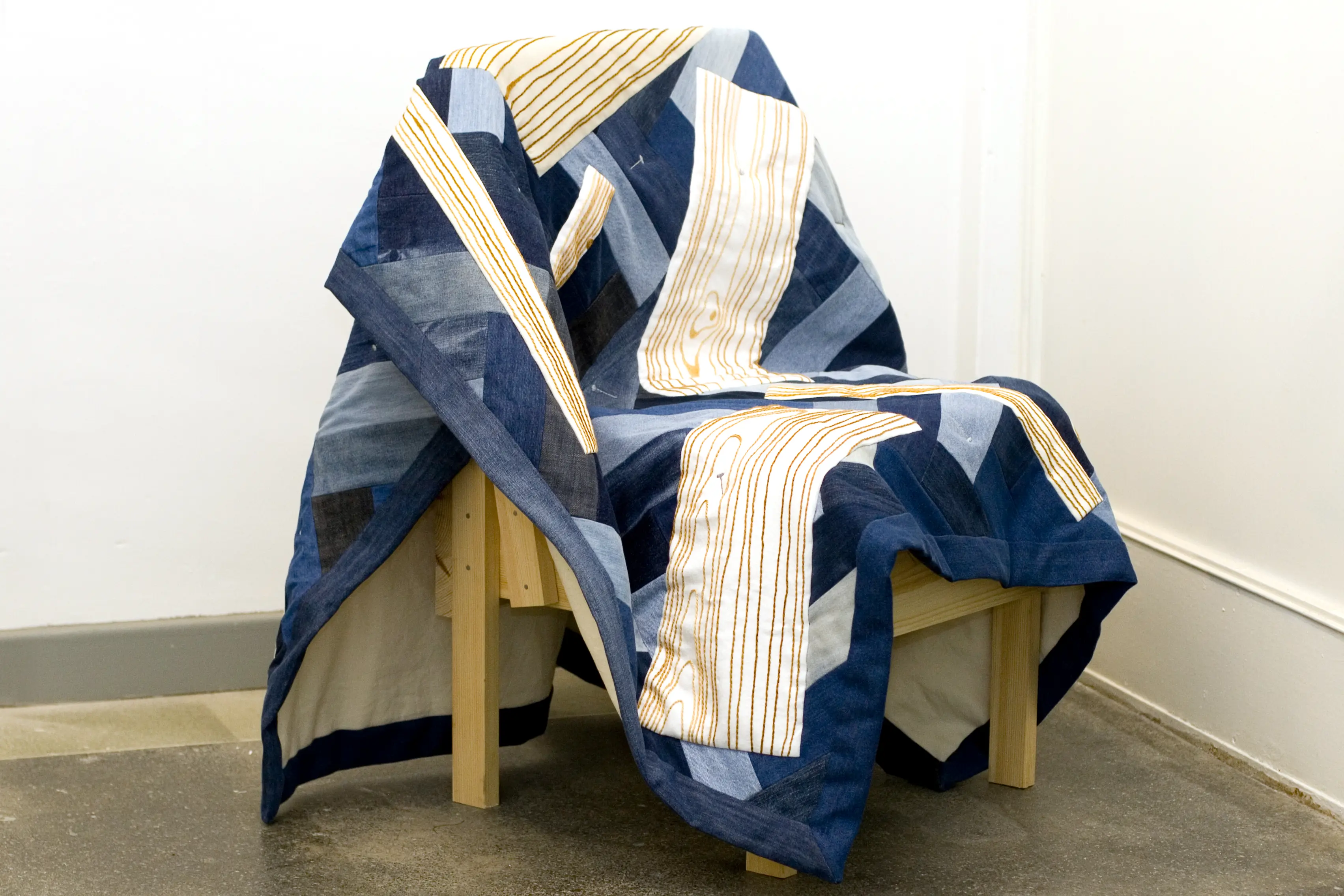
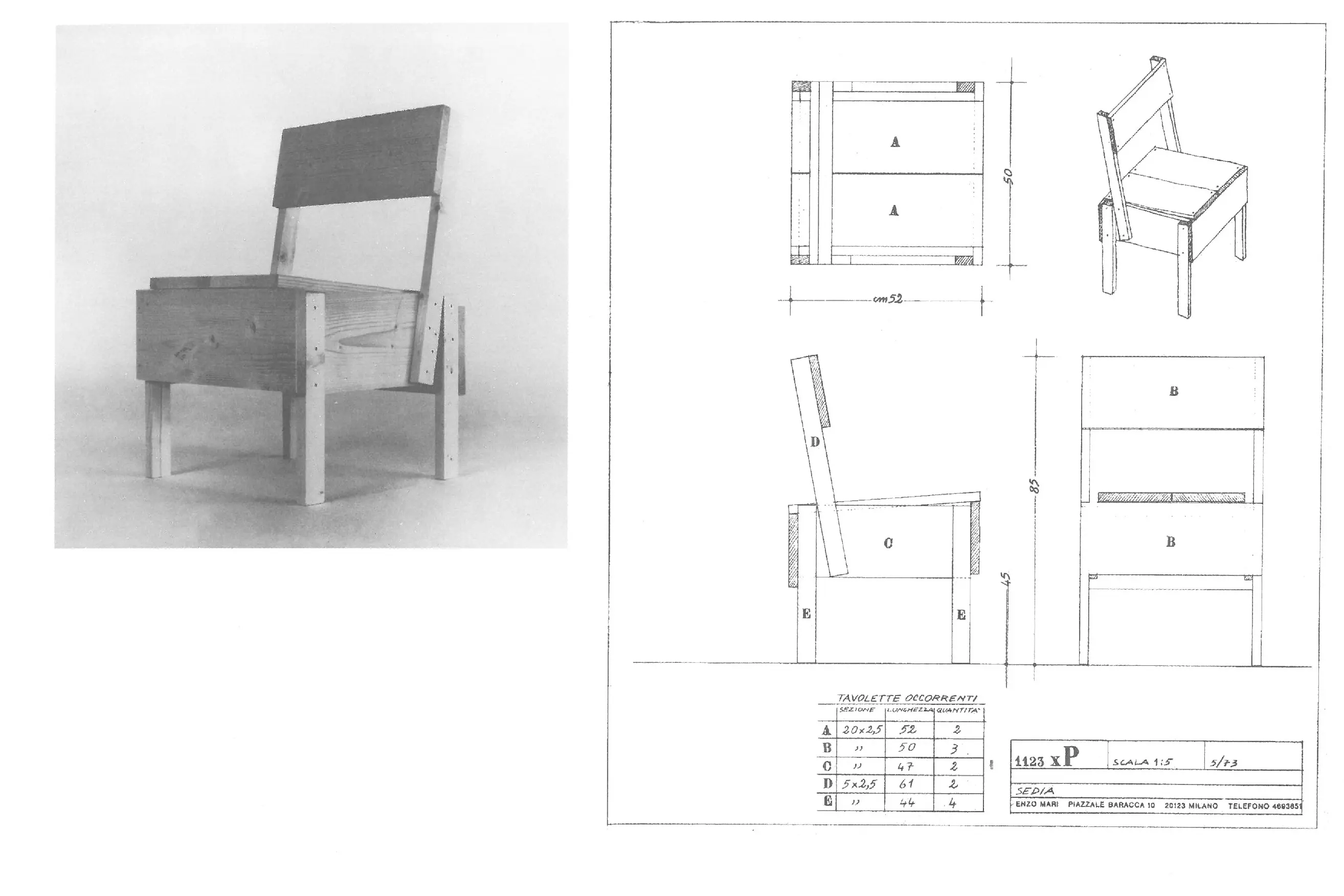
Before & After (Sedia 1)
We are interested in the status of iconic designs, and how the image becomes a shorthand for ideas that are often more complex than meets the eye. With Autoprogettazione, Mari suggests the act of (self-)making something useful as a way to contemplate and think about our designed environment. In this picture, the resulting furniture is in fact a byproduct of the process that's dependent on the idea but not necessarily the idea itself.
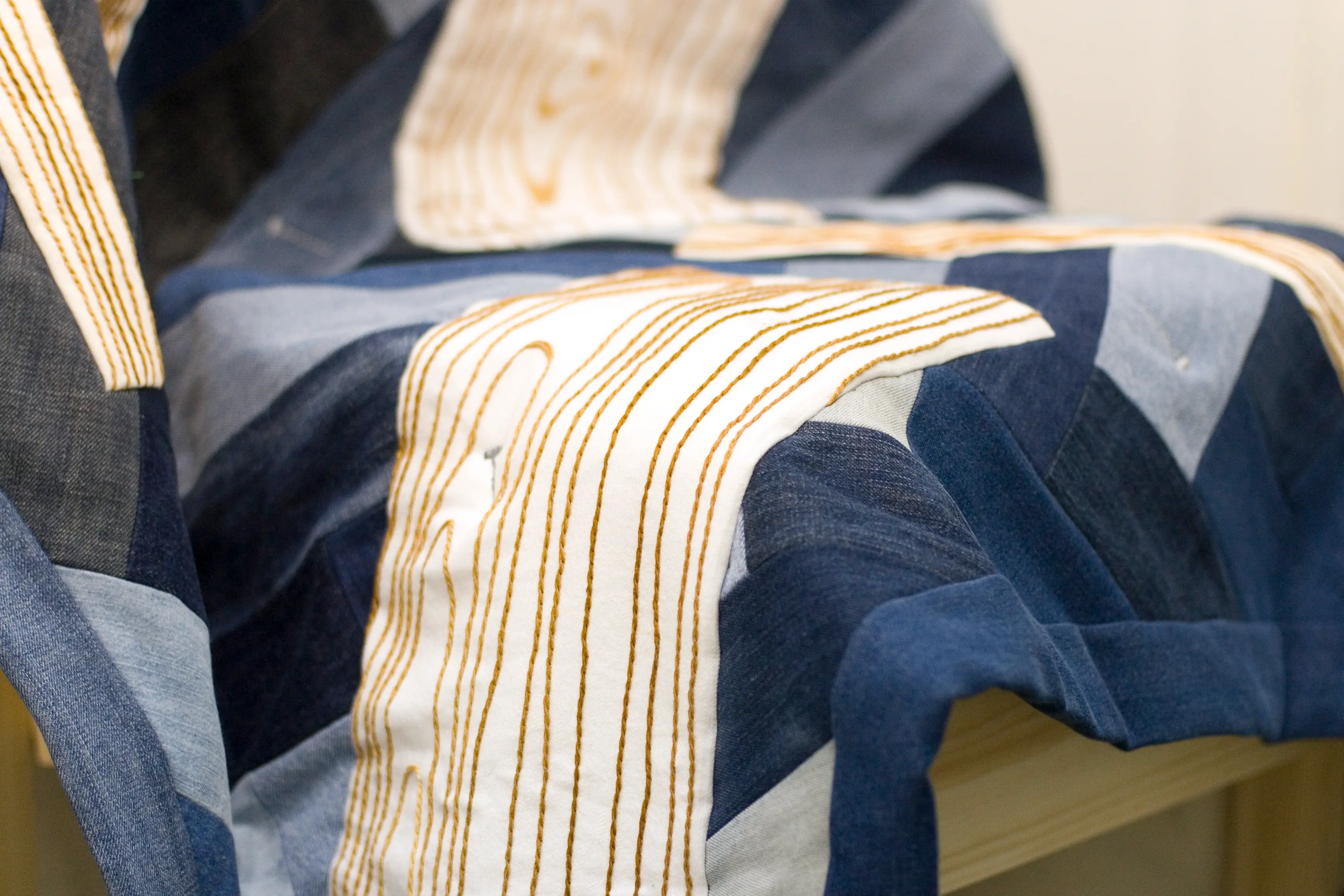
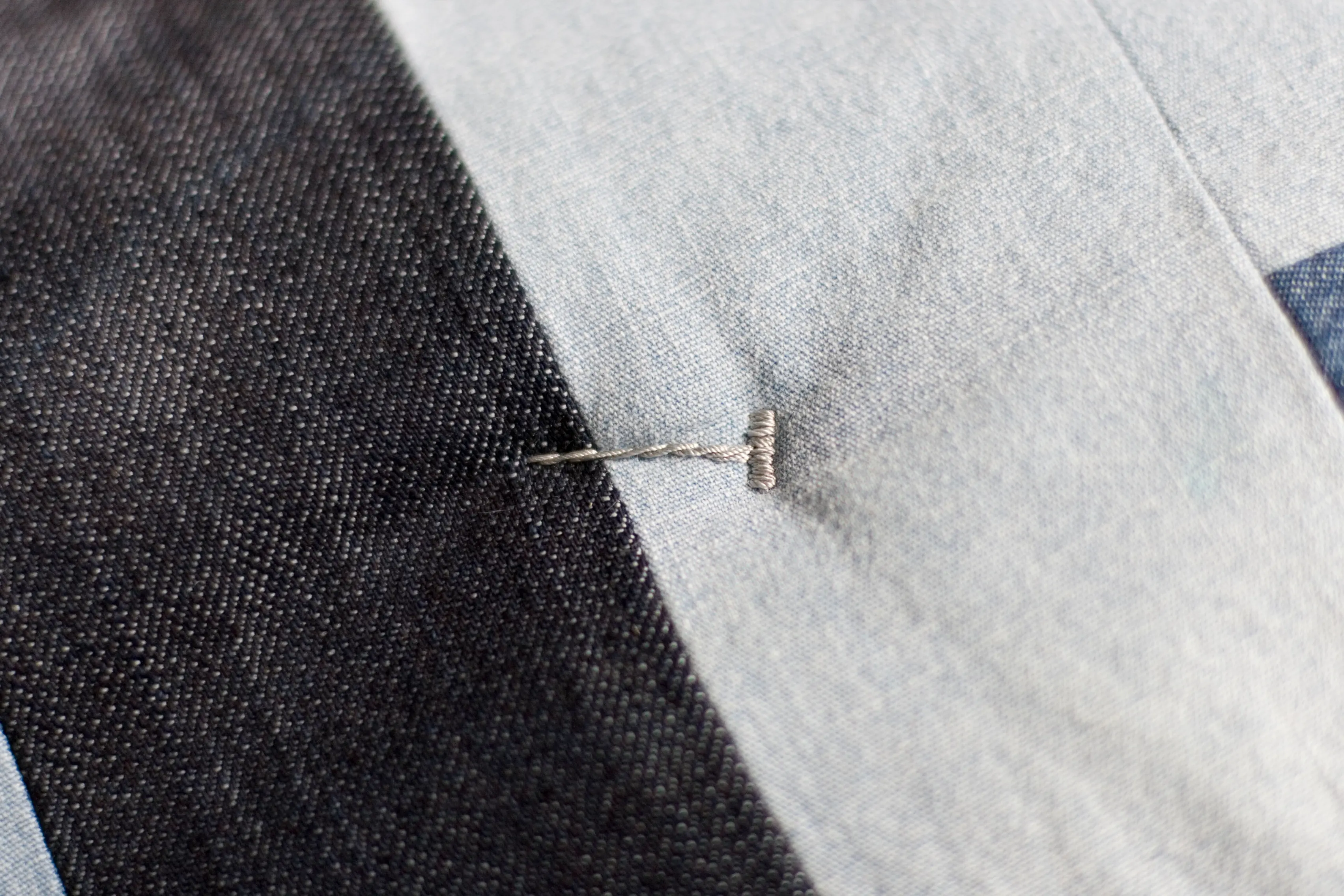
Before & After shift our gaze from the recognisable piece of furniture, Sedia 1, to the thinking behind the object by obscuring it with another object the making of which is also a form of contemplation; a quilt. Like Autoprogettazione, making quilts has been a form of thinking that results in an useful object. The quilt here will depict the components needed to make the chair in their actual sizes; wood panels, nails and a hammer. The second form of contemplative making, in effect, brings the chair back to its material state. Following the ethos of Autoprogettazione where the materials are chosen for their wide availability, the quilt is made of vintage denim fabrics stitched together with some elements, such as nails, illustrated through embroidery.
The resulting composite of quilt and chair is a reminder that the value of the original work is in the time we spend turning material into object(and in this case, vice versa), and not the object itself.
Indeterminacy Games
Indeterminacy Games was commission for the exhibition The Other Face of the Moon, a joint project between Asia Culture Center and Mucem.
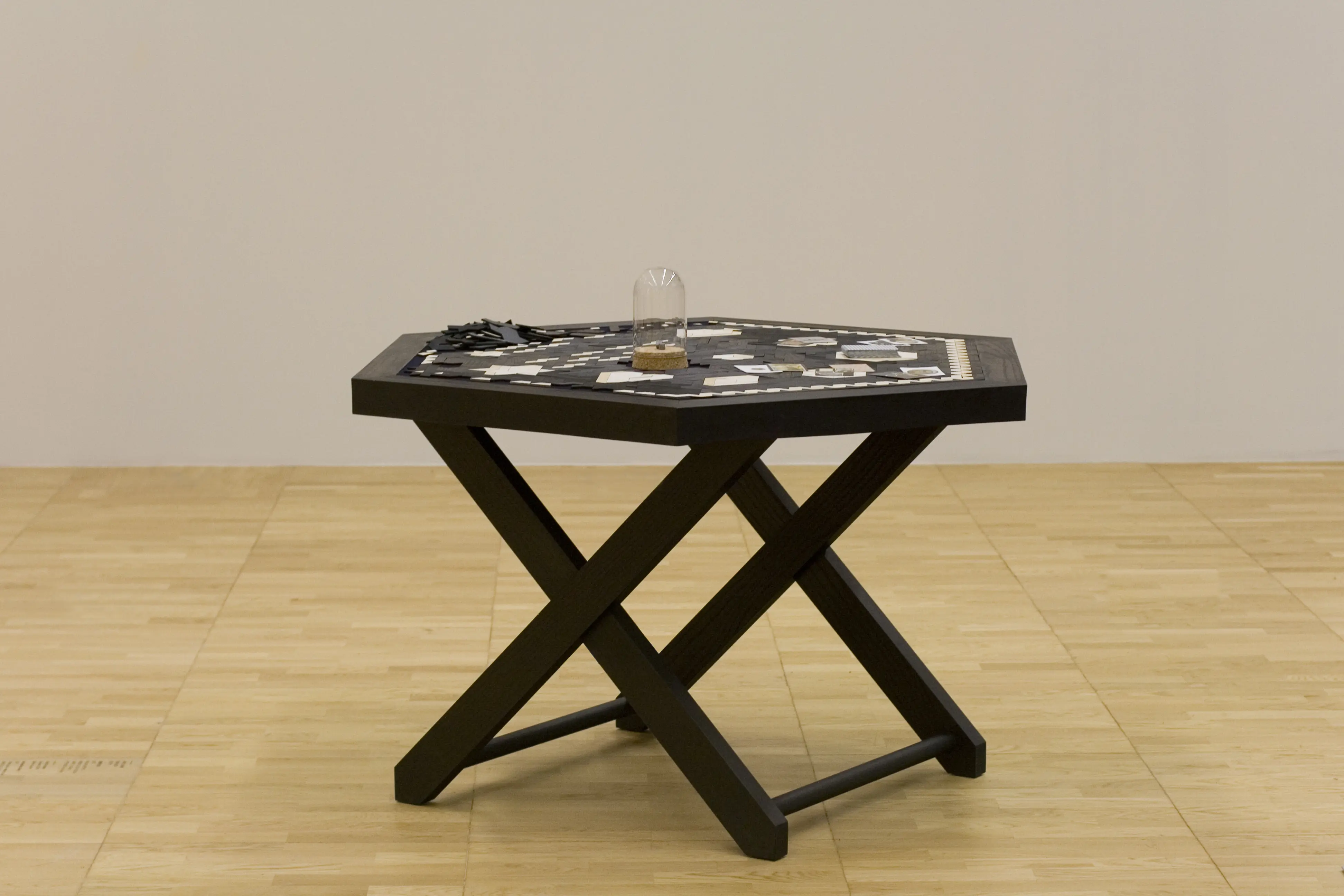
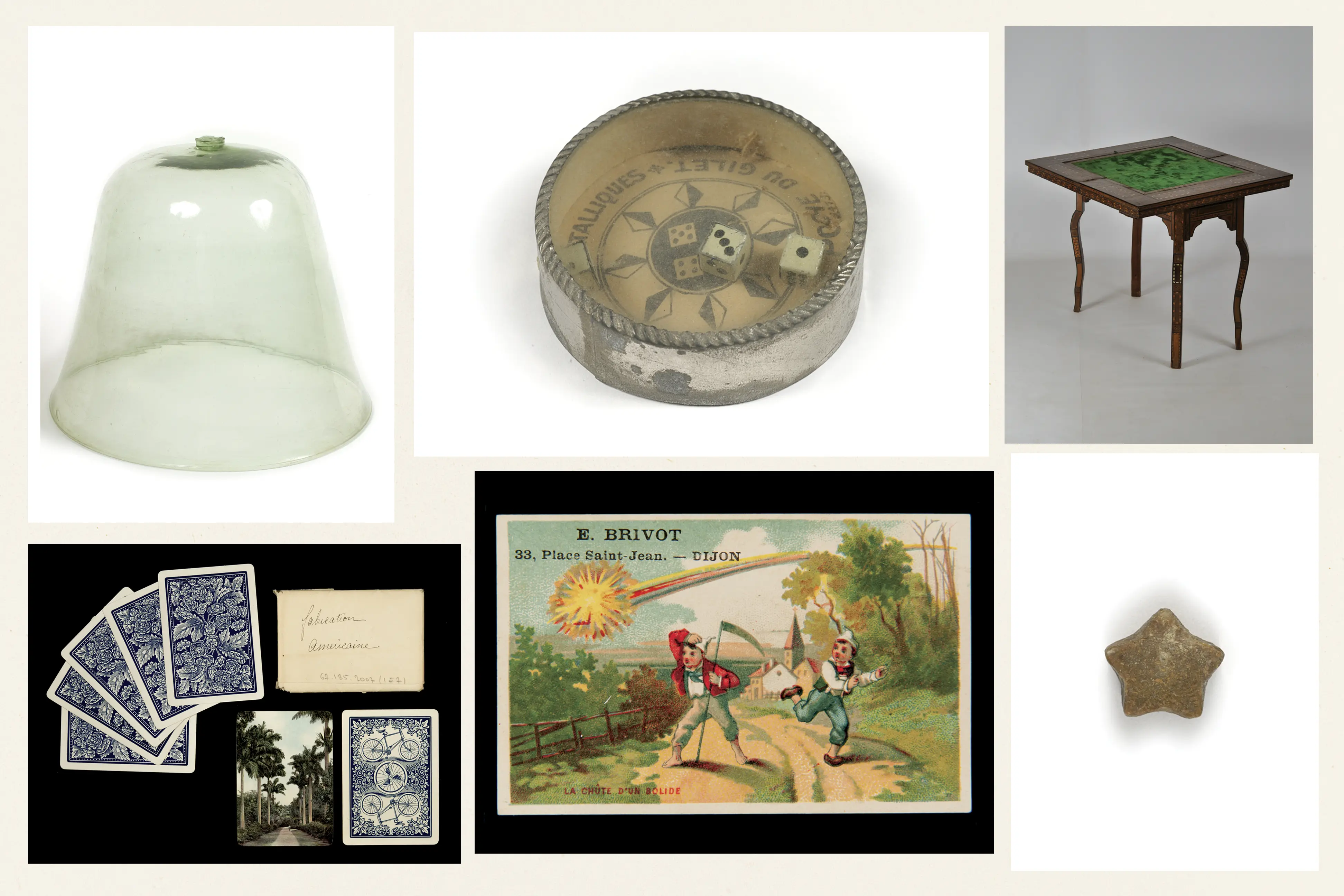
The work is an installation consisting of three elements; Matching Cards, Meteorite Dice and Puzzle Table. Each component of the installation is a variation of old games and puzzles in the collection at MuCEM. Our interest in the games and puzzles in the collection comes from thinking about how we interact with foreign ideas or objects and its wider implications; sometimes we try to find a familiar aspect of the unfamiliar, sometimes we are at once fearful and curious, and yet other times we strive to see logic in things unknown. All these notions are present in the games and puzzles we found, and together they suggest a way of looking at a collection of objects that are strange and mysterious. At the same time, the notion of negotiating the unfamiliar is a constant theme in the development of societies around the world, which has become even more relevant in recent years.
1. Matching Cards
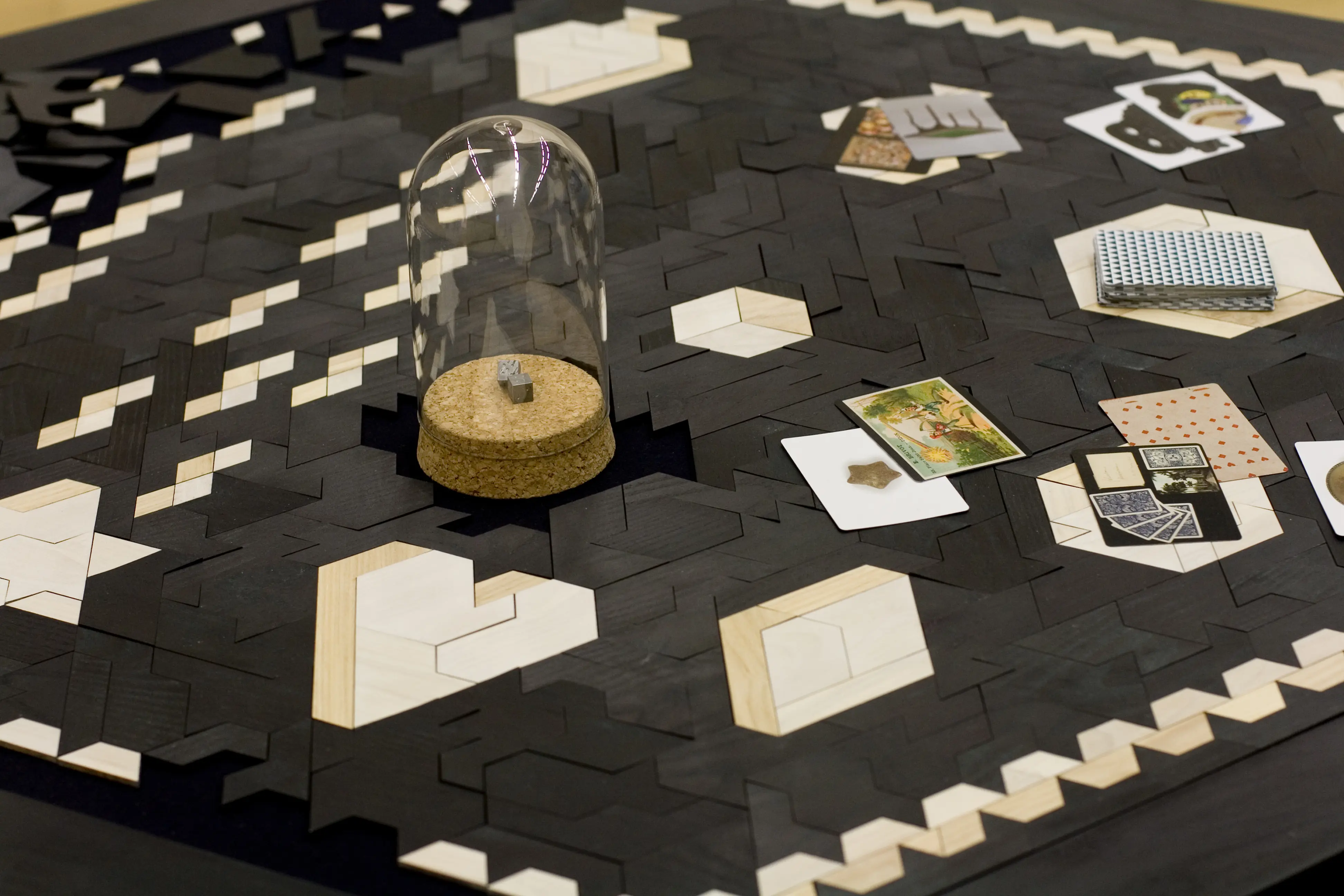
A set of 52 playing cards(1967.185.2007.1_7) each printed with an image of an object from Mucem collection, that can be used to play pairs. Unlike the normal game of pairs, there are no two cards with the same images in this version. Instead, the game is played by declaring the possible similarities/connections between the two overturned cards, rather than finding pairs placed by the maker.
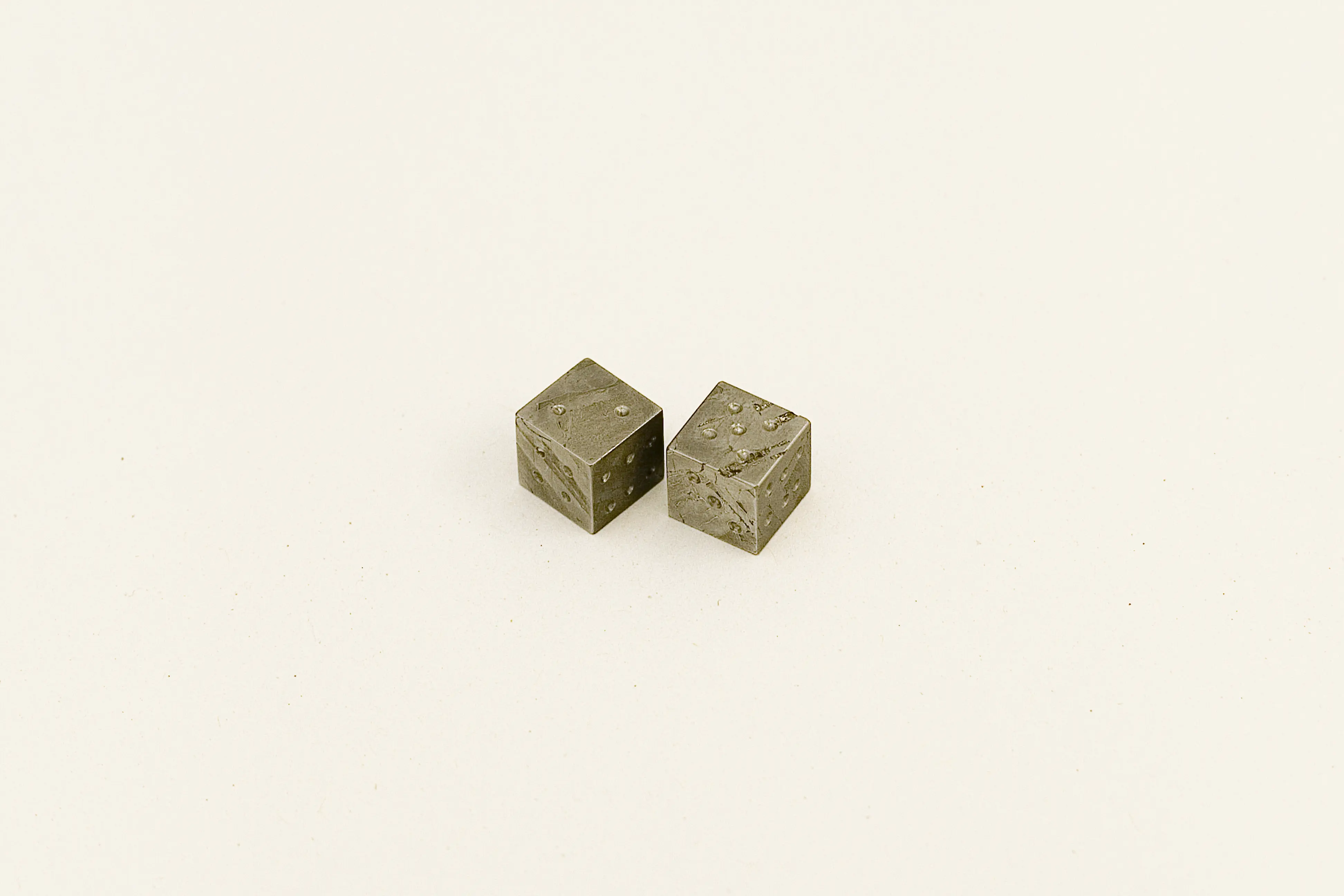
2. Meteorite Dice
A pair of dice made out of meteorite, cased in a bell jar(Catalogue number 1986.11.8, DMH2009.0.804). The dice(1983.23.126) draw a parallel between the mix of curiosity and fear seen in an encounter with a meteorite dipcted in a postcard(1995.1.3350.3), and the aspect of chance associated with gambling and gaming. We were also interested in the visual similarity between a meteorite falling through the sky and the casting of dice from your hand to the table; both carrying possibilities that can't be predicted.
3. Puzzle Table
A table with a top made of marquetry(2006.17.6.1) resembling jigsaw puzzle pieces(DMH1983.16.1), with one section of the table still to be "completed". Besides the visual cue taken from the marquetry game table from the collection, we are also interested in similarity we found in many types of craft techniques from the East and the West, and how jigsaw puzzles create the specific form of enquiry through seemingly similar but fundamentally different forms. The other two objects will be placed on the "completed" section of the table while the pile of yet to be used puzzle pieces will be the third object on the table.
Blind Drawings
We felt one of the things we fear the most then was the inability to access the familiar as it becomes a memory of the everyday we thought we would always have: Can we still articulate the normal life when this is over?
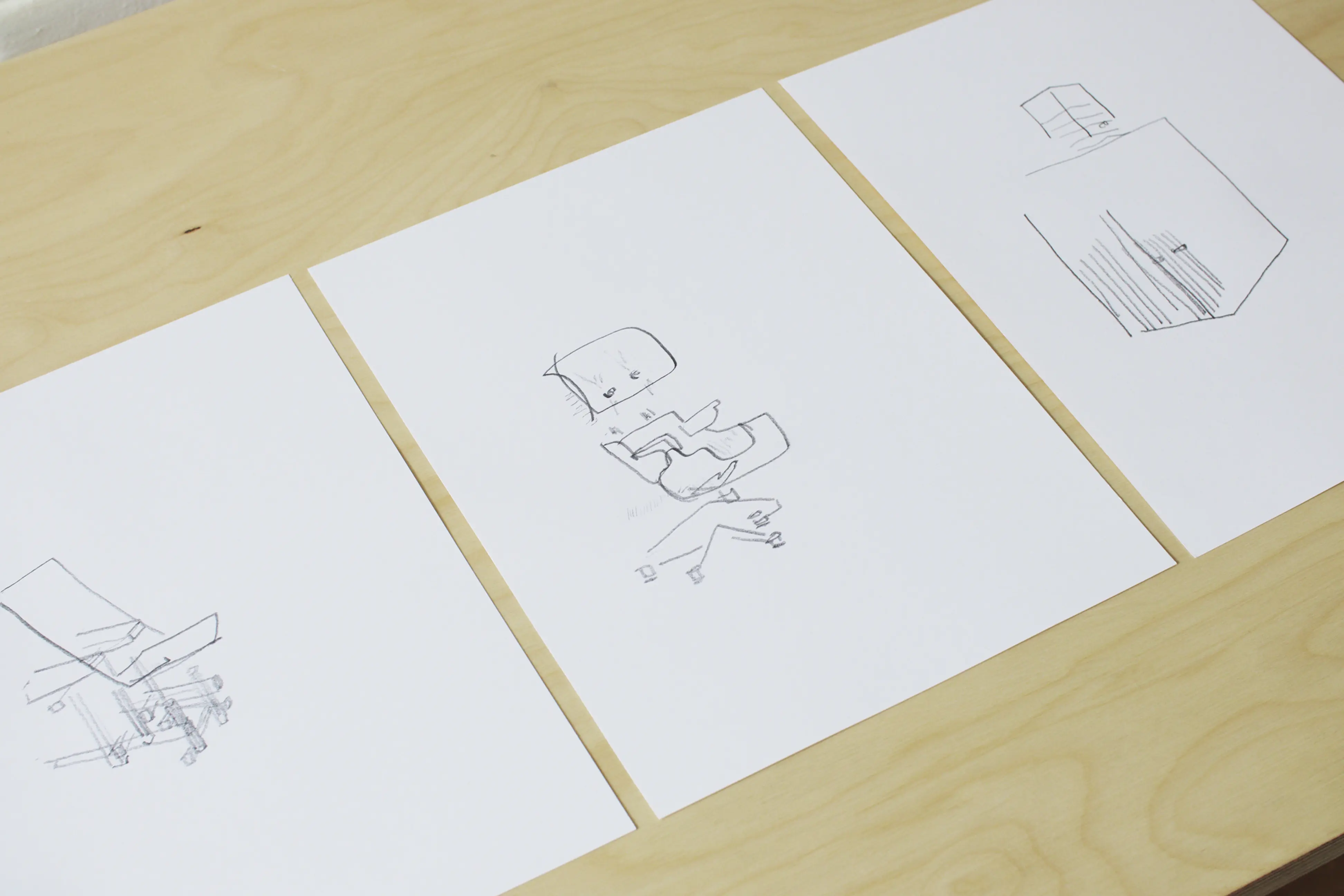
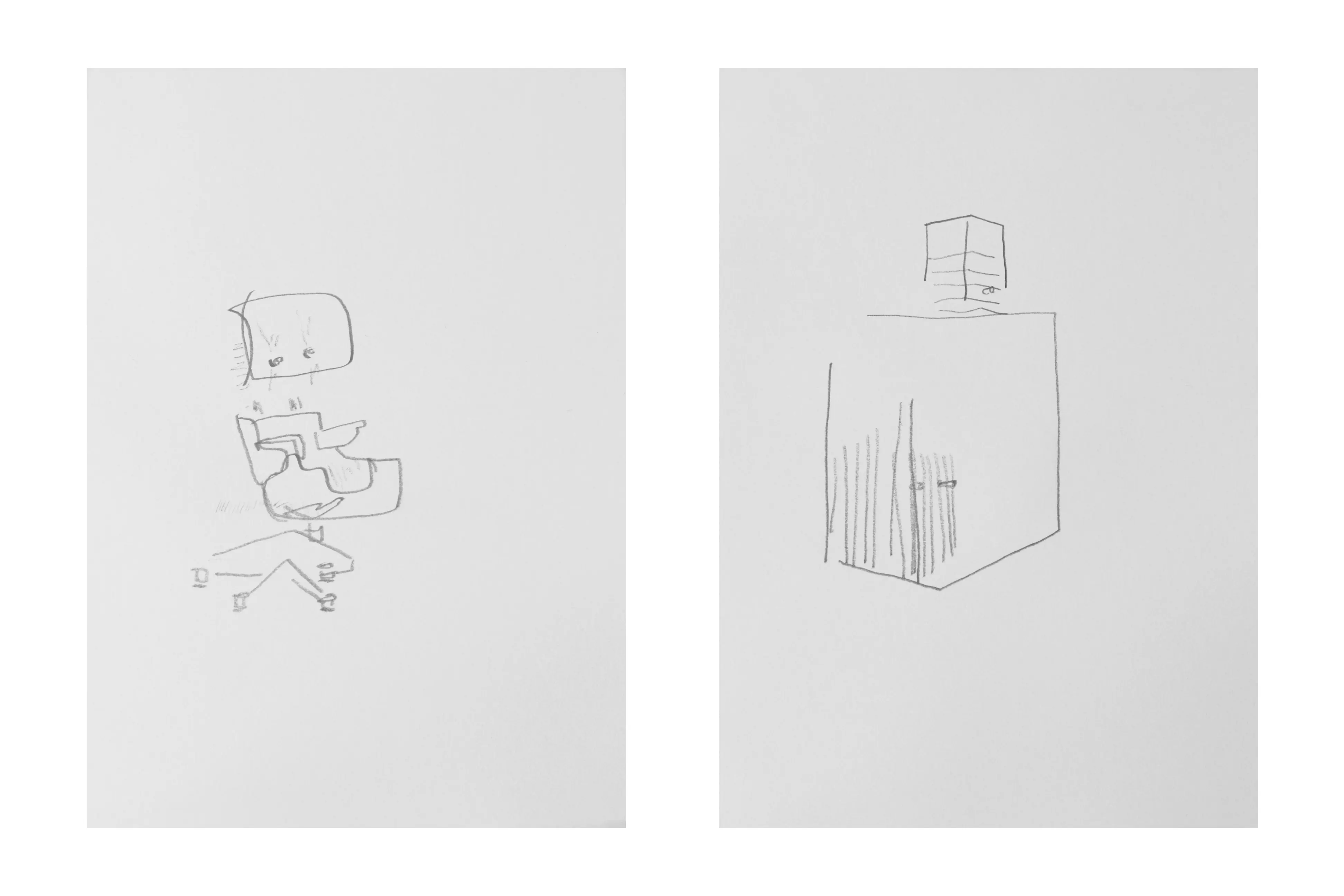
Blind Drawings is a set of 3 drawings in A4 format, each depicting a work of design that are made in the years of past pandemics (1918, 1956 and 1968), made without looking at the pencil and paper. The process forces us to recreate these familiar, recognisable things while not fully understanding what we are doing, which seems fitting for the moment.
Drawings are of:
Gerrit Rietveld, Red Blue Chair made in 1918 (Spanish Flu)
Charles and Ray Eames, Lounge Chair made in 1956 (Asian Flu)
Ettore Sottsass, Superbox made in 1968 (Hong Kong Flu)
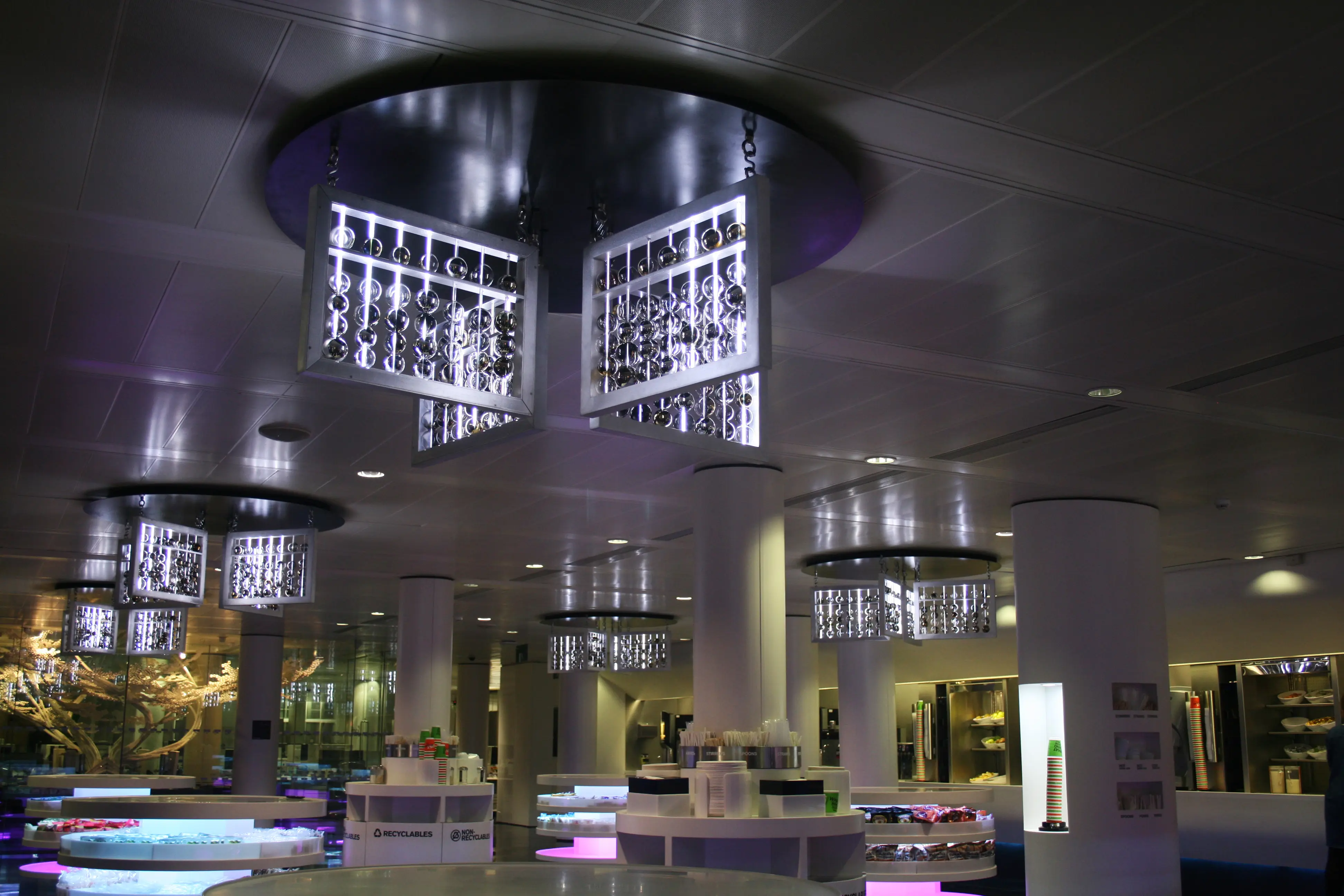
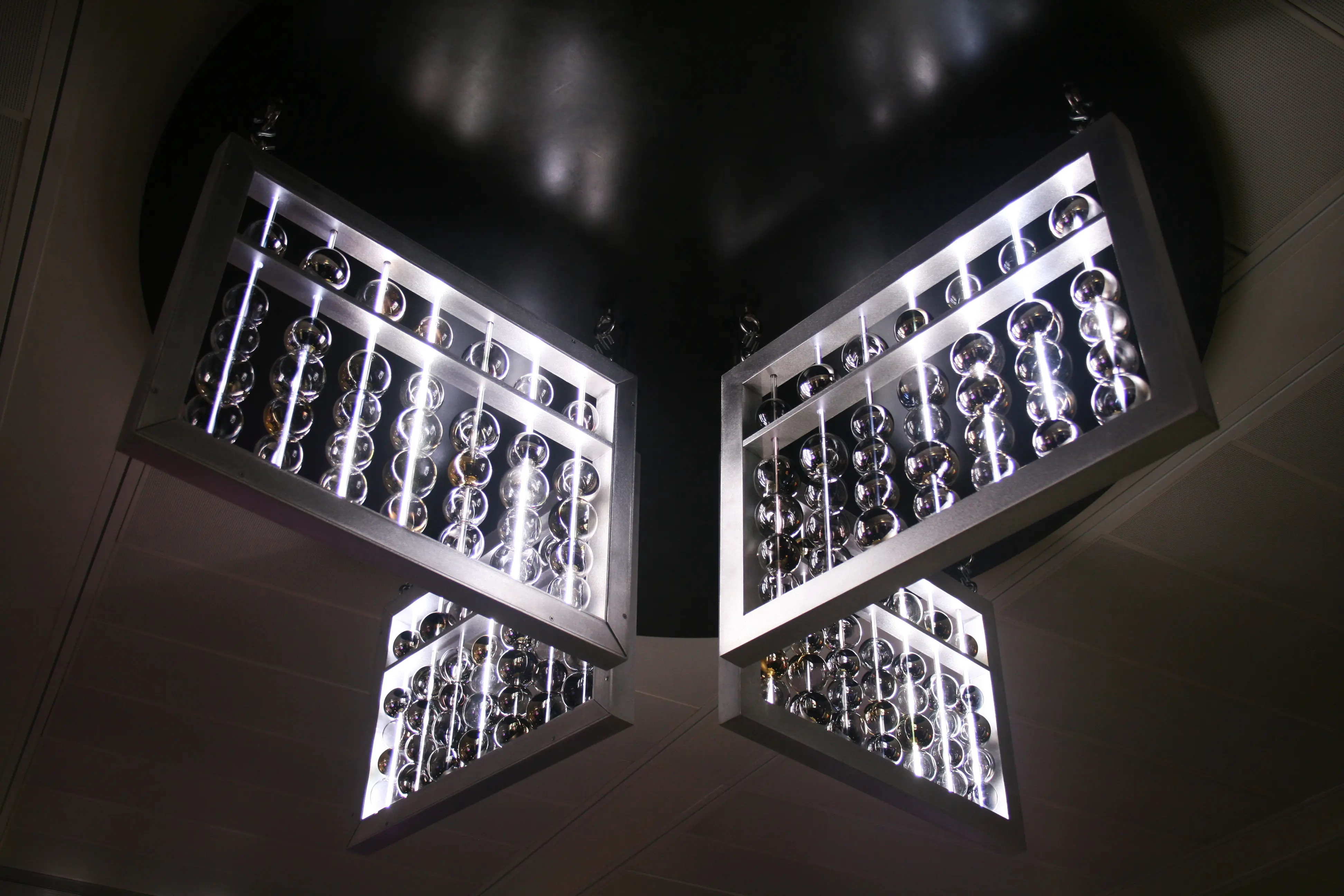
Abacus Lights
Through the network of computers and softwares running multiple functions at any given time, the whole network works as one coherent system that feeds each terminal to create an international feedback loop of data, numbers. With this work, we are trying to dissect this complex system into something we can understand, something more primitive and familiar. At the same time, as the idea of recycling has entered the public consciousness in the last a few decades, recycling operation became more methodical, calculated and detailed. In the recycling process of industrial scale, the material collected are often brought back into its elemental form, often to the point where its separated down to pure elements, such as gold, aluminium etc.
Each abacus is made of aluminium frame with glass balls as beads, mounted on glass tubes that house CCFL tubes which are used as backlighting for Bloomberg computer screens. Glass balls are vacuum coated in elements found in computers and screens, such as aluminium, gold or aluminium/bronze (which produces slightly pinkish tone similar to copper).
With Abacus Light, we aim to draw a comparison between the beginning and the current states of objects that affect our everyday life in significant yet often invisible ways.